Winter Lawn Care Must-Haves for a Lush Spring Transformation

When most homeowners think about lawn care, they focus on spring and summer. Yet, the real groundwork for a healthy, vibrant lawn starts in winter. While your grass may seem dormant, its roots are quietly working beneath the surface. Giving your lawn the right attention during the cooler months sets the stage for a thicker, greener yard when temperatures rise.
Winter lawn care is not just about maintenance; it’s about preparation. Taking action now helps your lawn recover from the past growing season and build strength for the months ahead. This post explains why winter is the best time to prepare your lawn and shares practical steps to ensure a lush spring transformation.
Why Winter Preparation Is Essential
Even though grass growth slows down or stops in winter, the root system remains active. Roots continue to grow and absorb nutrients, making this a critical time to support their development. Without proper care, your lawn can suffer from compacted soil, poor drainage, and bare patches that become difficult to fix later.
Ignoring winter lawn care often leads to:
Thin, weak grass that struggles to bounce back
Soil that becomes hard and compacted, limiting root growth
Increased weed invasion in spring due to bare spots
By preparing your lawn now, you create a strong foundation for healthy turf that can withstand heat, drought, and foot traffic in the warmer months.
Core Aeration Helps Your Lawn Breathe
Over time, soil compacts from foot traffic, pets, and regular mowing. Compacted soil restricts airflow, water absorption, and nutrient uptake. Core aeration is a simple but powerful solution that removes small plugs of soil, opening pathways for oxygen, water, and nutrients to reach the roots.
Benefits of Core Aeration
Stronger root development: Roots grow deeper and spread wider.
Improved drainage: Water moves through soil more easily, reducing puddles.
Better nutrient absorption: Fertilizers reach roots more effectively.
Reduced soil compaction: Soil becomes looser and healthier.
Healthier, thicker turf: Grass grows fuller and more resilient.
Aeration is best done in late fall or early winter when the lawn is still somewhat active but not stressed by heat. Using a professional service or renting an aerator can make this task easier and more effective.

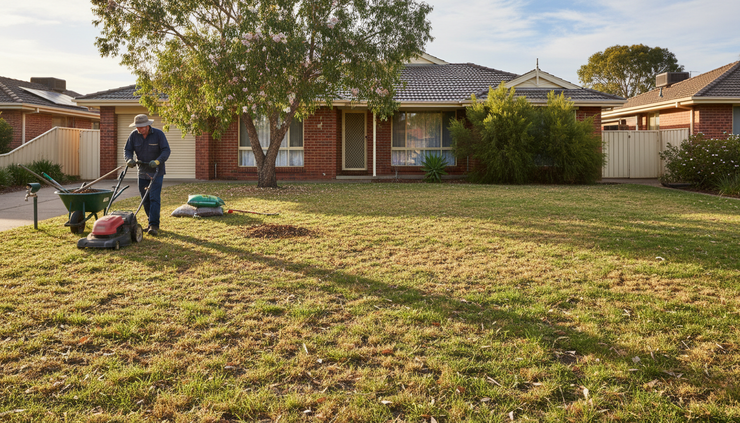
Core aeration removes plugs of soil to improve root access to air and nutrients
Feed Your Lawn Before Spring
Applying a slow-release fertilizer during winter gives your lawn essential nutrients without encouraging excessive leaf growth. This type of feeding focuses on root development, helping grass build strength below the surface.
Why Use Slow-Release Fertilizer?
Provides nutrients gradually over weeks or months
Supports steady root growth without stressing the lawn
Prepares grass to green up quickly in spring
Improves lawn resilience against pests and diseases
Choose a fertilizer formulated for winter use, rich in potassium and phosphorus, which promote root health and stress tolerance. Avoid high-nitrogen fertilizers that push leaf growth during cold months.
Repair Bare Patches Early
Winter is the ideal time to fix bare or damaged areas before weeds take over. Adding quality topsoil and reseeding now gives new grass the chance to establish strong roots before warmer weather arrives.
Steps to Repair Bare Spots
Clear debris: Remove dead grass, leaves, and weeds.
Loosen soil: Lightly rake or till the area to improve seed contact.
Add topsoil: Spread a thin layer of nutrient-rich soil to support growth.
Seed with appropriate grass: Use seed suited to your climate and lawn type.
Water gently: Keep the soil moist but not soaked until seeds germinate.
Early repair reduces the need for costly and time-consuming fixes in spring and summer.
Healthy Roots Create a Better Lawn
Beautiful lawns start below the surface. Strong roots anchor grass plants, help them absorb water and nutrients, and allow them to recover from stress. Winter lawn care focuses on nurturing these roots so your lawn can thrive when the growing season returns.
By aerating, feeding, and repairing your lawn now, you give it the best chance to grow thick, green, and healthy. This preparation pays off with less work and more enjoyment in spring.


Comments