Spring Lawn Care Adelaide What Your Lawn Needs After Winter
- Anthony Van Seumeren
- 3 hours ago
- 9 min read

After winter, many Adelaide lawns look worse than homeowners expect. A Couch lawn may still be brown. A Kikuyu lawn can look thin and hungry. A Buffalo lawn might have patchy areas, winter weeds, or slow new growth.
That does not always mean the lawn needs a big renovation. It also does not mean you should immediately fertilise heavily, water every day, scalp it low, or dethatch it hard.
Spring is the time to assess, correct problems and prepare your lawn for the growing season. The right treatment depends on the condition of the individual lawn, the grass type, soil, shade, drainage and how the lawn performed over winter.
Here is The Lawnscaping Edge’s practical guide to spring lawn care Adelaide homeowners can use as the weather starts warming up.
Start by assessing your lawn after winter
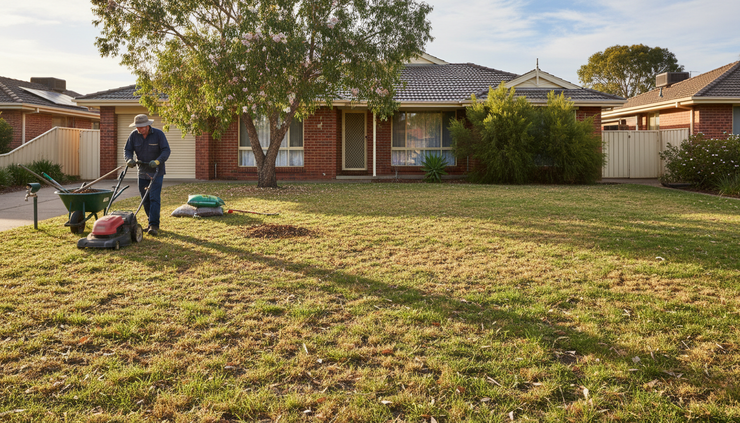
Before doing anything major, walk over the lawn and take a proper look. Winter can hide different problems, and they do not all need the same fix.
Check for:
Brown or straw-coloured areas
Thin or open patches
Winter weeds
Compacted soil
Wet or boggy areas
Dry hard sections
Bare soil
Uneven growth
Excess thatch
Pest or disease damage
Shady areas that have declined
Adelaide lawns often slow right down through winter, especially warm-season grasses such as Couch, Kikuyu and Buffalo. They can lose colour, stop spreading and look tired by the end of August. That is normal to a point.
The key is working out whether the lawn is simply waiting for warmer soil temperatures, or whether there is an underlying issue that needs attention.
A lawn that is slightly brown but dense may only need consistent mowing, a well-timed feed and sensible watering. A lawn that is thin, compacted and full of weeds may need a more involved spring lawn maintenance Adelaide plan.
When Couch, Kikuyu and Buffalo wake up in spring
Most Adelaide lawns use warm-season grasses. These grasses perform best once the weather warms and daylight increases.
Couch lawn
Couch can look very brown through winter, especially in exposed areas. It usually starts becoming more active as spring warms up, but it often takes a little time to regain colour and density.
Couch responds well to regular mowing and feeding once it is actively growing. If it is still dormant or barely moving, heavy fertilising may not give the result you are hoping for.
Kikuyu lawn
Kikuyu is vigorous once conditions suit it. It can bounce back strongly in spring, particularly in sunny areas. It may look thin after winter, but once growth starts, it can spread into small bare areas quite well.
Because Kikuyu can grow aggressively, mowing frequency becomes important as spring progresses.
Buffalo lawn
Buffalo generally holds winter colour better than Couch in some settings, but it can still become patchy, weedy or slow in shaded and high-traffic areas. Buffalo spreads by above-ground runners, so damaged areas can recover, but it is not always as fast to fill in as Kikuyu.
With Buffalo, avoid harsh treatment unless the lawn genuinely needs it. Scalping or aggressive dethatching can set it back if done at the wrong time or too severely.
Get mowing right as growth returns
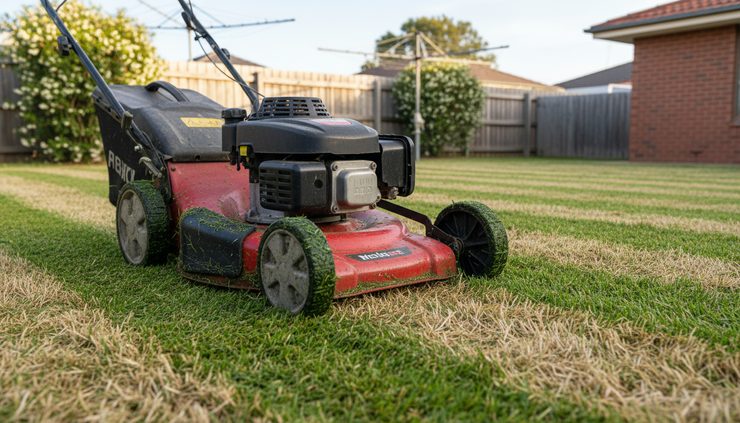
Spring mowing is not about cutting the lawn as low as possible on the first warm weekend. It is about gradually bringing the lawn back into a regular rhythm.
A good spring mowing approach includes:
Mowing once the grass starts growing, not just because the calendar says spring
Taking off only a modest amount of leaf at each cut
Raising the mower slightly if the lawn is thin or stressed
Mowing more often as growth speeds up
Keeping mower blades sharp
For many Adelaide lawns, a slightly higher cut early in spring helps the grass capture more sunlight and recover faster. Once the lawn thickens, you can settle into a regular height that suits the grass variety and use of the area.
If you need help with lawn mowing Adelaide wide, a professional service can also spot early issues while keeping the lawn neat and healthy.
Check for weeds that appeared during winter
Winter weeds are common across Adelaide. When warm-season lawns slow down, weeds often take advantage of the open space.
Look for broadleaf weeds, clover-type growth and grassy weeds. The right control method depends on the weed and the lawn variety. Some products suitable for one grass may not be appropriate for another, so always check labels carefully or get professional advice.
The best long-term weed control is a healthy, dense lawn. Once spring growth begins, regular mowing, correct watering and suitable fertilising help the turf thicken and crowd out new weeds.
If the lawn is heavily weedy, avoid rushing into renovation before you understand why weeds took over. Thin turf, shade, compaction, poor drainage or low fertility may be the real cause.
Check soil compaction and drainage
Soil condition has a big impact on spring recovery. If water cannot soak in, roots cannot breathe and nutrients do not move properly through the soil.
Simple signs of compaction include:
Water running off instead of soaking in
Hard ground underfoot
Thin grass in high-traffic areas
Puddles after rain or irrigation
Poor root growth
Lawn drying out quickly despite watering
Drainage problems can also show up after winter rain. Some lawns stay wet in low spots, while others become hard and dry as soon as temperatures rise.
A screwdriver test can help. Push a long screwdriver into the soil. If it is difficult to push in across several areas, compaction may be limiting root growth.
When aeration may help
Aeration can be very useful in spring, especially for compacted Adelaide lawns. It opens the soil, improves oxygen movement and helps water reach the root zone.
Aeration may help if:
The lawn gets regular foot traffic
Soil feels hard and tight
Water sits on the surface
Growth is weak despite mowing and watering
Roots seem shallow
The lawn struggled through winter
For many home lawns, core aeration is more effective than simply poking holes, because it removes small plugs of soil and creates more space. Timing matters. It is best done when the lawn is beginning to grow, so it can recover strongly.
Aeration is often a better first step than heavy renovation when the main issue is soil compaction.
Fertilise when the lawn is ready to use it
Fertiliser is helpful when the lawn is actively growing. If the grass is still dormant, very stressed, waterlogged or barely moving, feeding heavily may not achieve much.
In Adelaide spring conditions, fertilising is usually most useful once the lawn has started producing fresh growth. Choose a lawn fertiliser suited to your grass type and apply it evenly. Water it in according to the product directions.
Avoid the idea that more fertiliser means faster recovery. Too much can burn the lawn or push weak, soft growth. The goal is steady, healthy growth leading into summer.
A professional Adelaide lawn care visit can help identify whether the lawn needs fertiliser, soil improvement, aeration, weed control or a different approach.

Adjust watering as Adelaide warms up
Spring watering should change with the weather. Early in spring, lawns may not need much extra water if soil moisture is still present. As Adelaide becomes warmer and drier, your lawn will need more consistent moisture to support new growth.
The aim is deep, less frequent watering rather than constant shallow watering. Deep watering encourages roots to grow down, which helps prepare the lawn for hotter conditions.
Watch the lawn for signs of moisture stress:
Leaf blades folding or wilting
A blue-grey cast in dry patches
Footprints staying visible
Soil drying out below the surface
Edges drying faster than the centre
Watering needs vary between sunny and shaded areas, soil types and lawn varieties. Sandy soils dry faster. Clay soils may hold water longer but can become compacted.
Check sprinklers and irrigation before summer
Spring is the best time to test your irrigation system, before the first run of hot weather.
Turn the system on and inspect each zone. Look for:
Blocked sprinkler heads
Broken risers
Poor pressure
Overspray onto paving
Dry patches between sprinklers
Leaks
Uneven coverage
Sprinklers blocked by new plant growth
Many lawn problems show up as watering problems. A brown patch may not be disease or lack of fertiliser. It may simply be an area the sprinkler misses.
Testing irrigation in September gives you time to fix problems before summer stress arrives.
Bare and damaged areas need the right repair
Bare patches can come from winter wear, pets, shade, pests, poor drainage, heavy traffic or previous weed growth. The repair depends on the cause.
Small bare areas in Kikuyu or Couch may fill as the grass becomes active, especially with good mowing, watering and nutrition. Buffalo can also spread back over damaged areas, but larger bare sections may need plugs, turf pieces or more targeted repair.
If bare areas keep returning, look deeper. Common causes include:
Too much shade
Soil compaction
Poor irrigation coverage
Pet urine damage
Drainage issues
Worn traffic paths
Insect damage
Wrong lawn variety for the site
Repairing the patch without fixing the cause often leads to the same problem next season.
When lawn renovation should be considered
Lawn renovation Adelaide homeowners often ask about includes work such as scalping, dethatching, aerating, topdressing, overseeding where suitable, or replacing sections of turf.
Renovation can be excellent for the right lawn at the right time. It may be worth considering if the lawn is:
Severely thatched
Very uneven
Compacted across large areas
Thin and failing to recover
Full of bare soil
Damaged after construction or heavy wear
Struggling despite good basic care
But not every lawn needs heavy renovation.
A healthy Buffalo lawn with light winter discolouration may only need mowing, feeding and irrigation adjustment. A Couch lawn that is still waking up may not need scalping straight away. A Kikuyu lawn that is a little open may thicken naturally once temperatures lift.
Heavy work can stress the lawn if done too early, too aggressively or without a plan. The Lawnscaping Edge approach is to inspect first, then choose the treatment that matches the lawn.
10 Things to Check on Your Adelaide Lawn This Spring
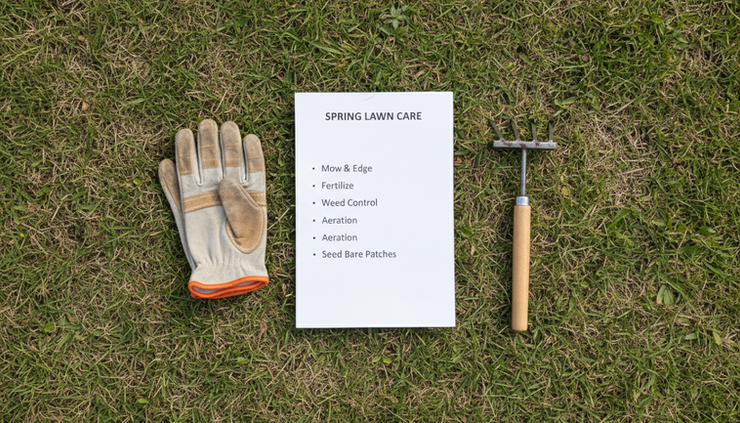
Use this checklist during September and through spring.
Grass activity
Look for fresh green shoots and new runners before making major decisions.
Winter colour loss
Check whether brown areas are dormant grass, dead patches or dry soil.
Weed pressure
Identify broadleaf weeds, clover-type weeds and grassy weeds before treating.
Mowing height
Avoid cutting too low while the lawn is still thin or slow-growing.
Soil hardness
Use a screwdriver test to check for compaction in several areas.
Drainage
Watch where water pools after rain or irrigation.
Irrigation coverage
Run the sprinklers and check for dry spots, leaks and blocked heads.
Bare patches
Work out whether damage came from pets, shade, wear, pests or poor watering.
Thatch level
Check for a spongy layer at the base of the grass, but avoid dethatching unless it is needed.
10. Summer readiness
Start building deeper roots and better coverage before Adelaide’s hotter, drier weather arrives.
Common spring lawn care questions
Should I fertilise my lawn as soon as spring starts?
Wait until the lawn is showing active growth. Fertiliser works best when the grass can use it. If the lawn is still dormant, compacted or waterlogged, solve those issues first.
Why is my Couch lawn still brown in September?
Couch often takes time to green up after winter. Soil temperature, shade, mowing height and water all affect recovery. If it is dense and beginning to shoot, it may simply need more warmth and steady care.
Can I scalp my lawn every spring?
No. Some lawns benefit from controlled scalping as part of renovation, but it is not suitable for every lawn. Buffalo lawns in particular can suffer if cut too hard. Assess thatch, grass type and lawn health first.
How often should I water in spring?
Water according to conditions, not a fixed habit. Early spring may need little irrigation. As weather warms, shift towards deeper watering that supports root growth. Always check soil moisture and sprinkler coverage.
When should I book professional spring lawn maintenance?
Book help if the lawn is patchy, compacted, heavily weedy, uneven, or not responding to normal care. A professional assessment can prevent wasted fertiliser, overwatering or unnecessary renovation.
Prepare now for Adelaide’s summer conditions
Spring is your chance to set the lawn up before heat and dry weather become the main challenge. Strong roots, even irrigation, healthy soil and regular mowing all make summer lawn care easier.
The best results come from matching the treatment to the lawn in front of you. Some Adelaide lawns need a light tidy-up and a gradual return to regular mowing. Others need aeration, weed control, soil improvement or a more complete renovation plan.
If you would like help assessing, maintaining or renovating your lawn this spring, contact The Lawnscaping Edge. We can inspect your lawn, explain what it needs and recommend the right next steps for a healthier growing season.


Comments