25 Adelaide Lawn Problems Every Homeowner Should Know and What to Do About Them

A struggling lawn rarely has one simple cause. Brown patches can come from heat, poor irrigation, compacted soil, pests, disease, dog urine, or the wrong mowing height. In Adelaide, the same symptom can look different from a sandy coastal block to a heavier clay-influenced yard in the foothills.
That is why good lawn care starts with one rule.
Diagnose first. Treat second.
This guide from The Lawnscaping Edge is built for Adelaide homeowners who want practical answers, not generic lawn tips. For each problem, look at what you are seeing, what it could mean, what to check, and what to do next.

Start with the Adelaide lawn diagnosis checklist
Before applying fertiliser, herbicide, wetting agent, insect treatment, or extra water, check these basics:
Recent weather, especially heatwaves, wind, and rainfall
Soil moisture below the surface, not just at the top
Irrigation coverage and run times
Mowing height and mowing frequency
Shade, tree roots, and foot traffic
Soil type, drainage, compaction, and thatch
Turf variety, commonly Couch, Kikuyu, or Buffalo
1. Why is my lawn turning brown?
What you need to know. Brown lawn can mean heat stress, drought stress, dormancy, scalping, pest damage, disease, or root problems. In Adelaide summer, high evaporation can dry soil quickly, especially on sandy sites.
What to check. Push a screwdriver into the soil. If it will not go in easily, moisture may not be reaching the roots.
Practical solution. Improve watering depth, check sprinkler coverage, raise mowing height in heat, and inspect roots before treating pests.
2. Why is my lawn turning yellow?
What you need to know. Yellowing may come from nutrient deficiency, overwatering, poor drainage, herbicide stress, compacted soil, or winter slowdown.
What to check. Look for patterns. Even yellowing often suggests nutrition. Yellow patches near low spots may suggest waterlogging.
Practical solution. Use a suitable seasonal fertiliser only after checking moisture and drainage. Avoid heavy nitrogen during extreme heat.
3. Why is my lawn patchy or uneven?
What you need to know. Patchiness can come from poor establishment, shade, wear, dry spots, pests, disease, uneven soil, or mixed turf types.
What to check. Compare the affected area with sun exposure, foot traffic, irrigation reach, and soil hardness.
Practical solution. Fix the cause first, then repair with runners, plugs, topdressing, or turf replacement where needed.
4. Why won't grass grow properly under trees?
What you need to know. Trees compete with lawn for light, water, and nutrients. Shallow roots can also dry the soil.
What to check. Note how many hours of direct sun the area receives. Buffalo tolerates more shade than Couch or Kikuyu, but it still needs light.
Practical solution. Prune canopy where appropriate, improve soil moisture, reduce traffic, or replace severe shade areas with mulch or shade-tolerant planting.
5. Why does my lawn keep getting weeds?
What you need to know. Weeds usually move into weak turf. Thin grass, low mowing, bare soil, poor nutrition, and watering mistakes all create openings.
What to check. Identify the weed before spraying. Winter broadleaf weeds and summer grassy weeds need different approaches.
Practical solution. Thicken the lawn with correct mowing, feeding, and watering. Use selective herbicides carefully and only when suited to the turf type.
6. Why is my lawn growing much faster in some areas?
What you need to know. Faster growth can come from uneven fertiliser, pet urine, leaking irrigation, old tree roots breaking down, or richer soil pockets.
What to check. Look for dark green rings, lush patches, or wet areas.
Practical solution. Adjust fertiliser spreading, repair leaks, flush pet-affected areas with water, and mow frequently during active growth.
7. Why does my lawn feel hard and compacted?
What you need to know. Compaction limits air, water, and root growth. It is common in high-traffic yards and heavier Adelaide soils.
What to check. If water runs off or pools, and roots are shallow, compaction may be part of the problem.
Practical solution. Core aeration is often worthwhile. Follow with light topdressing and better watering habits.

8. Why does water run off my lawn instead of soaking in?
What you need to know. Water repellency is common in sandy soils, especially after dry weather. Compaction and thatch can make it worse.
What to check. Apply water to a small area and watch whether it beads, runs away, or soaks in.
Practical solution. Use a soil wetting agent, aerate if compacted, and water in longer, slower cycles.
9. Why does my lawn have dry patches that never green up?
What you need to know. Localised dry patches often come from poor sprinkler overlap, hydrophobic soil, buried rubble, tree roots, or shallow soil.
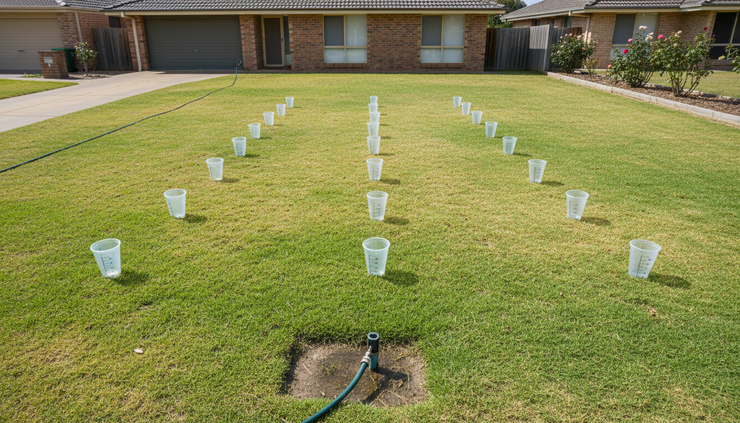
What to check. Place cups across the lawn during irrigation to compare coverage.
Practical solution. Adjust sprinklers, treat water-repellent soil, and investigate stubborn patches below the surface.
10. Why is my lawn spongy underfoot?
What you need to know. A spongy lawn often has excess thatch, especially in vigorous Kikuyu and Couch.
What to check. Part the grass and measure the brown, fibrous layer between green leaf and soil.
Practical solution. Dethatch during active growth, not in winter. Recovery is faster when the turf is growing strongly.
11. Why is my lawn thinning in winter?
What you need to know. Warm-season grasses such as Couch, Kikuyu, and Buffalo slow down in cooler Adelaide months.
What to check. Decide whether the lawn is dormant or actually dying. Dormant turf usually still has firm crowns and roots.
Practical solution. Reduce mowing, avoid overwatering, limit traffic, and wait for spring recovery before major renovation.
12. Why is my lawn not recovering after summer?
What you need to know. Severe heat stress can expose deeper problems, such as shallow roots, compacted soil, poor irrigation, or lawn grub damage.
What to check. Inspect roots and tug gently on dead sections. Loose turf may indicate root damage.
Practical solution. Aerate, adjust watering, feed in the right season, and repair dead zones once active growth returns.
13. Why are my lawn edges dying near paving?
What you need to know. Paving stores heat. Edges along concrete, brick, and bitumen can dry faster than the rest of the lawn.
What to check. Feel soil moisture near edges compared with the centre of the lawn.
Practical solution. Improve edge irrigation, raise mowing height in summer, and avoid scalping with line trimmers.
14. Why does my lawn scalp when I mow?
What you need to know. Scalping happens when grass is cut too low or the ground is uneven. Couch tolerates lower mowing than Buffalo, but only under the right care.
What to check. Look for high spots, ruts, and mower height settings.
Practical solution. Raise the mower, mow more often in peak growth, and level uneven areas gradually with topdressing.
15. Why are there dead patches where my dog urinates?
What you need to know. Dog urine can overload small areas with salts and nitrogen. Some patches turn dark green around the edge and brown in the centre.
What to check. Match patch locations with pet habits.
Practical solution. Rinse fresh spots with water, encourage deeper watering, and repair badly damaged areas once the soil has flushed.

16. Why are holes appearing in my lawn?
What you need to know. Holes can come from insects, birds feeding, pets, soil movement, or coring from previous aeration.
What to check. Look for tunnelling, loose soil, surface castings, or birds repeatedly pecking in one area.
Practical solution. Identify the cause before applying insecticide. Pest treatment only helps when pests are actually present.
17. Why do birds keep pecking at my lawn?
What you need to know. Birds may be feeding on insects or larvae, but they may also search through moist soil and thatch.
What to check. Lift a small section of turf and inspect the root zone.
Practical solution. If lawn grubs are present, treat at the right time. If not, focus on thatch, moisture, and general lawn health.
18. Why are mushrooms growing in my lawn?
What you need to know. Mushrooms usually mean moisture and organic matter are present. They do not always harm the lawn.
What to check. Look for excess shade, wet soil, buried timber, or decaying roots.
Practical solution. Improve air movement, reduce overwatering, remove visible mushrooms, and address drainage if the area stays damp.
19. Why is moss appearing in my lawn?
What you need to know. Moss favours shade, dampness, poor air flow, low fertility, and compacted soil.
What to check. Check light levels, drainage, and soil compaction before treating moss.
Practical solution. Improve the growing conditions for turf. Killing moss without fixing shade or moisture usually gives short-term results.
20. Why is my Buffalo lawn thinning?
What you need to know. Buffalo can thin from too much shade, close mowing, heavy traffic, poor nutrition, or water stress.
What to check. Check mower height first. Buffalo generally needs a higher cut than Couch.
Practical solution. Lift the mowing height, improve watering depth, feed during active growth, and reduce wear where possible.
21. Why is my Couch lawn invading garden beds?
What you need to know. Couch spreads aggressively by runners and can move into beds, paths, and cracks.
What to check. Look for above-ground and below-ground runners along edges.
Practical solution. Install clear edging, trim runners regularly, and remove invading sections early before they knit into garden beds.
22. Why is my Kikuyu lawn hard to control?
What you need to know. Kikuyu grows fast in warm weather and responds strongly to water and nitrogen.
What to check. Review fertiliser rates, irrigation, and mowing frequency.
Practical solution. Mow more often during peak growth, avoid overfeeding, and keep edges maintained.
23. Why does my new turf look stressed?
What you need to know. New turf has a shallow root system. Heat, wind, poor soil preparation, gaps, and inconsistent watering can cause stress.
What to check. Lift a corner gently. New roots should begin anchoring into the soil.
Practical solution. Keep moisture consistent during establishment, avoid heavy traffic, and fix gaps or dry edges early.
24. Why does my lawn stay wet or smell boggy?
What you need to know. Wet, sour-smelling soil can indicate poor drainage, overwatering, heavy soil, or low areas collecting runoff.
What to check. Inspect after irrigation and rain. Note whether water disappears quickly or sits for hours.
Practical solution. Reduce watering, improve drainage, aerate compacted areas, and consider soil correction where clay is causing ongoing problems.
25. Why are seed heads appearing in my lawn?
What you need to know. Seed heads can appear when turf is stressed, under-mown, or responding to seasonal change. They are common in some lawns and not always a crisis.
What to check. Look at recent weather, mowing frequency, and plant stress.
Practical solution. Keep mowing consistent, improve nutrition and moisture, and avoid cutting too low to “remove” the problem.
When professional lawn care is worthwhile
Some lawn problems are simple once the cause is clear. Others need a trained eye because several issues overlap. Brown lawn may involve heat stress, poor sprinkler coverage, compaction, and thatch at the same time.
Professional lawn care is useful when:
The same patch keeps failing after treatment
Weeds return quickly after spraying
The lawn has widespread thinning or bare areas
Water runs off despite regular irrigation
You are unsure whether the issue is soil, pest, disease, or maintenance-related
The lawn needs aeration, dethatching, levelling, or seasonal renovation
The best results come from matching the treatment to the site. A coastal sandy lawn, a shaded inner-suburban Buffalo lawn, and a heavy-soil foothills Kikuyu lawn should not all receive the same plan.

The takeaway for Adelaide lawns
Most lawn problems are signals, not final answers. Brown, yellow, patchy, spongy, weedy, or wet turf all point to something happening below the surface.
Check soil moisture. Check irrigation. Check mowing height. Check shade, compaction, thatch, pests, and drainage. Then treat.
That simple order, diagnose first, treat second, prevents wasted time, wasted products, and avoidable lawn damage. For Adelaide conditions, it is the difference between guessing and giving the lawn what it actually needs.


Comments