Lawn Mowing Adelaide How Often Should You Mow Your Lawn in Spring

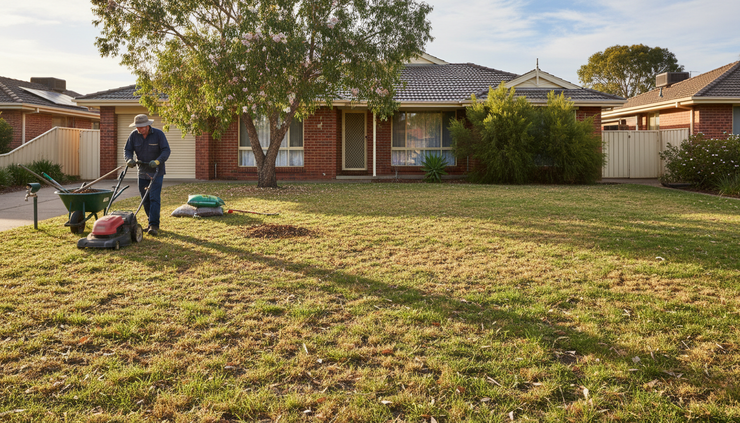
Spring can turn an Adelaide lawn from tidy to shaggy in less than a week. After winter rain, longer days, and warmer soil, grass starts growing hard. Miss a couple of mows and the lawn can become thick, uneven, and harder to bring back under control.
The short answer is simple: most Adelaide lawns need mowing every 7 to 14 days in spring. Fast-growing lawns may need a cut every week. Slower or shaded lawns may only need one every two weeks.
The better answer depends on your grass type, how much rain has fallen, how much fertiliser you use, and how short you like the lawn. Spring mowing is less about sticking to a fixed calendar and more about keeping the lawn in its healthy growth range.

Why Adelaide lawns grow so quickly in spring
Adelaide has a Mediterranean-style climate. Winters are cooler and wetter, while summers are hot and dry. Spring sits in the sweet spot for many lawns because the soil still holds moisture, days become warmer, and grass has enough light to push fresh growth.
That mix can create a sudden growth spurt, especially from late August through October. A lawn that looked patchy in winter can thicken quickly once conditions improve.
The pace changes from suburb to suburb too.
Lawns in the Adelaide Hills often stay cooler and greener for longer. Coastal lawns may deal with sandy soil and drying winds. Northern suburbs can warm up earlier, which can speed up growth but also bring dry patches sooner. Heavy clay soils in some areas may stay damp after rain, which affects when mowing is safe.
That is why a good mowing routine needs to suit the lawn in front of you, not just the date on the calendar.
The best spring mowing frequency for Adelaide lawns
For most homes, this spring schedule works well:
Spring period | Typical mowing frequency | What to watch for |
Early spring | Every 10 to 14 days | Uneven winter growth and damp soil |
Mid spring | Every 7 to 10 days | Strong growth after rain and fertiliser |
Late spring | Every 7 to 14 days | Heat, dry patches, and seed heads |
If the lawn is growing fast, mow weekly. If it is slow, shaded, or still recovering from winter, stretch it closer to two weeks.
The key rule is the one-third rule.
Never remove more than one-third of the grass blade in a single mow. If the lawn has grown too long, do not scalp it back in one cut. Take it down gradually over two or three mows, with a few days between each cut.
Cutting too much at once can stress the lawn. It can leave brown tips, expose the soil, and make it easier for weeds to move in.
Grass type changes the mowing routine
Different lawns grow at different speeds. Adelaide homes often have warm-season grasses such as couch, kikuyu, and buffalo. Some also have cool-season grasses or blends, especially in shaded gardens or older properties.
Couch grass often needs more frequent mowing
Couch loves warmth and sun. Once spring arrives, it can spread and thicken quickly.
For couch, mowing every 7 to 10 days is often best during peak spring growth. If you like a short, neat finish, you may need to mow closer to weekly.
Keep couch at a moderate height unless the lawn is very level and maintained often. Cutting too low on an uneven lawn can scalp high spots and leave brown patches.
Kikuyu grows aggressively in good conditions
Kikuyu is tough and fast. It handles wear well, but in spring it can become unruly if left too long.
A weekly mow often suits kikuyu during strong growth. If rain follows fertiliser, it may feel like the mower needs to come out almost as soon as it goes away.
Kikuyu can also creep into garden beds and paths, so edging matters. A quick edge every second mow keeps the whole yard looking cleaner.
Buffalo prefers a slightly higher cut
Buffalo is popular because it handles heat and some shade better than many lawn types. It usually looks better when cut higher than couch.
In spring, buffalo often needs mowing every 10 to 14 days, or weekly when growth is strong. Avoid cutting it too short. A higher cut helps shade the soil, protect runners, and keep the lawn softer underfoot.
Cool-season grasses can surge early
Ryegrass, fescue, and mixed cool-season lawns can grow quickly in early spring while temperatures stay mild. These lawns often slow as hotter weather arrives.
Mow every 7 to 10 days while growth is active, then adjust as the weather warms.
The right mowing height in spring
Mowing height has a big effect on lawn health. A lawn cut too short may look sharp for a few days, but it often struggles once heat arrives.
As a general guide:
Lawn type | Spring mowing height |
Couch | 15 to 30 mm |
Kikuyu | 30 to 50 mm |
Buffalo | 40 to 60 mm |
Ryegrass or fescue | 40 to 60 mm |
These are general ranges. The best height depends on the condition of the lawn, how level the ground is, and how often it gets watered.
If the lawn is thin, patchy, or under stress, mow higher. Taller grass blades help feed the plant and shade the soil. That support matters as Adelaide moves toward hotter, drier weather.
A short cut can suit a well-maintained couch lawn, but only when the surface is even and mowing happens often enough to avoid shock.
Signs your lawn is ready to be mowed
A calendar is useful, but the lawn gives better clues.
Mow when:
The grass looks uneven across the yard
Footprints or wheel marks linger in taller patches
Seed heads start to appear
The lawn has grown more than one-third above your target height
Edges along paths and garden beds look untidy
Wait before mowing when:
The soil is soft or muddy after rain
Grass blades are wet and clumping
The lawn looks heat-stressed or grey-green
New turf has not rooted properly
A recent cut already removed a lot of growth
Wet mowing is common in spring, but it is rarely ideal. Wet grass clumps, tears, and can leave a messy finish. It also makes the mower work harder. If possible, wait until the lawn surface dries.

Why sharp mower blades matter in spring
Spring growth is soft and lush. Dull mower blades do not cut it cleanly. They tear the grass instead.
Torn grass tips often turn pale or brown after mowing. The lawn may still survive, but it looks rough and can become more prone to stress.
Sharp blades give a cleaner finish and help the lawn recover faster. For a home lawn, sharpening at the start of spring is a smart move. If the mower hits sticks, stones, or hard edges, check the blades again.
A simple test is to look at the grass tips after mowing. If they look shredded or frayed, the blades need attention.
Should you catch clippings or mulch them
Spring mowing often produces a lot of clippings. Whether to catch or mulch depends on volume.
Mulch clippings when they are short and dry. Fine clippings break down quickly and return nutrients to the soil. This can support steady lawn growth and reduce waste.
Catch clippings when:
The grass is long
Clippings are wet and clumpy
The lawn has weeds with seed heads
You want a cleaner finish for outdoor use
The mower is leaving rows or piles behind
Heavy clumps can smother grass underneath, especially on buffalo and shaded areas. If clumps appear, rake them up or run over the area again once dry.
How watering affects mowing frequency
Spring rain can be inconsistent. One week brings steady showers, the next brings drying winds and warm afternoons.
Watering encourages growth, so irrigated lawns usually need mowing more often than lawns left to rely on rainfall. If you water deeply and fertilise in spring, expect the mowing schedule to tighten.
The best approach is to water less often but more deeply, where local water rules and soil conditions allow. Light daily watering can encourage shallow roots. Deeper watering helps roots chase moisture down into the soil.
Morning watering is usually best. It gives moisture time to soak in before the heat of the day and allows the grass to dry before evening.
If the lawn starts to dry out in late spring, raise the mowing height. Taller grass shades the soil and reduces moisture loss.
Fertiliser can double the growth rate
Spring fertiliser can help a lawn recover from winter, but it also changes how often the lawn needs mowing.
After feeding, many lawns push strong leaf growth. That is normal. If you fertilise and then get rain, be ready to mow more often for the next few weeks.
The mistake is feeding the lawn, waiting too long, then cutting it hard. That removes much of the fresh growth the lawn just produced.
A better plan is simple:
Mow the lawn at a normal height.
Apply fertiliser as directed on the product label.
Water it in if needed.
Mow lightly and regularly as growth increases.
Regular mowing after fertilising helps the lawn thicken. It encourages side growth rather than tall, floppy grass.
Mowing new turf in Adelaide spring
New turf needs a gentler approach. Do not mow it just because it looks long. Mow when it has rooted into the soil and resists a light tug.
The first mow should be high and light. Make sure the mower blades are sharp, and avoid turning sharply on the new lawn. Heavy turns can lift turf edges or mark soft soil.
After the first cut, settle into a regular schedule. Taking small amounts off each time helps the turf fill in without stress.
Spring is a good time for new lawns because growth is active, but the lawn still needs careful watering and mowing until roots establish.
Common spring mowing mistakes
Most lawn problems come from cutting too short, cutting too late, or mowing in poor conditions.
The most common mistakes include:
Scalping the lawn
This happens when the mower is set too low or the ground is uneven. It exposes stems and soil, leaving brown marks.
Letting grass get too long
Long grass looks lush, but it can thin underneath. When finally cut, it may look yellow or patchy.
Mowing wet grass
Wet mowing causes clumps, wheel marks, and an uneven cut.
Using dull blades
Ragged tips make the lawn look tired even after mowing.
Ignoring edges
A lawn can be freshly cut but still look messy if edges along paths and garden beds are overgrown.
Cutting the same pattern every time
Changing direction helps avoid ruts and encourages upright growth.
For lawn mowing Adelaide homeowners often need a tighter spring routine than they expect, mostly because growth changes quickly once warmer weather arrives.

A simple spring mowing plan that works
If you are unsure where to start, use this plan for four weeks and adjust from there.
Week 1
Set the mower slightly higher than your summer height. Mow only when the lawn is dry enough for a clean cut. Check whether the mower leaves torn tips or clumps.
Week 2
Watch the regrowth. If the lawn already looks uneven, move to weekly mowing. If it still looks tidy, wait a few more days.
Week 3
Edge paths, driveways, and garden beds. Spring growth often spreads sideways as well as upward, especially with kikuyu and couch.
Week 4
Review the mowing height. If the weather is warming quickly or the lawn is drying out, raise the mower a notch. If growth is thick and healthy, keep mowing regularly rather than cutting lower.
This plan keeps the lawn under control without overthinking it.
When professional mowing makes sense
Spring can be a busy time in the garden. Weeds grow, hedges shoot, and lawns need more attention than they did in winter.
Professional mowing can help if the lawn is large, slopes are awkward, growth has got away, or you want a consistent finish through spring. It also helps when the lawn needs edging, green waste removal, or a tidy-up before a rental inspection, open home, or weekend gathering.
A regular mowing service can set the right height, keep growth under control, and adjust the schedule as the weather changes. That matters most in spring, when waiting one extra week can turn a simple mow into a bigger job.
The spring rule to remember
The best spring mowing schedule for Adelaide is not fixed. Start with every 7 to 14 days, then let the lawn’s growth guide you.
If the grass is growing fast, mow weekly. If it is slow or stressed, wait longer and raise the height. Keep blades sharp, avoid wet mowing where possible, and never remove more than one-third of the blade at once.
A healthy spring lawn is built through small, regular cuts. Keep it steady now, and the lawn will be stronger, thicker, and better prepared for Adelaide’s dry summer ahead.


Comments