Lawn Care Adelaide: Is Your Winter Lawn Dead or Dormant Before Spring

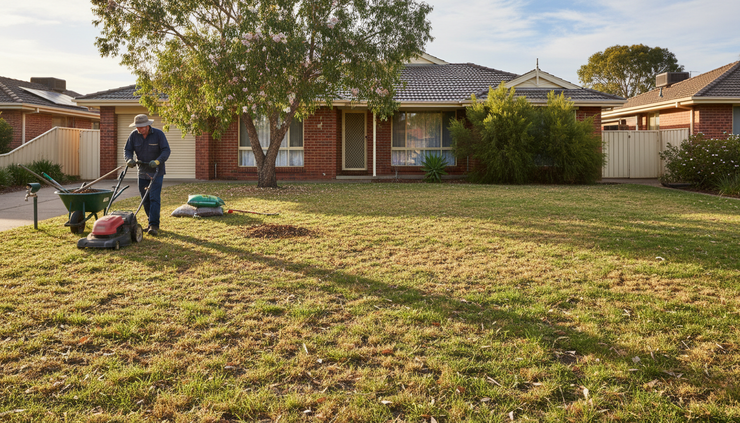
Late winter can make even a well-kept Adelaide lawn look tired. Brown patches, thin growth, weeds, and muddy wear marks often appear just when you start thinking about spring barbecues and weekends outside.
The good news is simple: a brown lawn is not always a dead lawn. In many Adelaide yards, warm-season grasses such as Couch, Kikuyu, and Buffalo slow down through winter, lose colour, and wait for warmer soil before growing again. The key is knowing what is normal winter dormancy, what needs attention now, and what should wait until spring.

Why Adelaide lawns look rough after winter
Adelaide’s cool, wet winters and hot, dry summers create a clear seasonal rhythm for lawns. Most common home lawns in the area use warm-season grasses because they cope well with summer heat once established. These include:
Couch
Kikuyu
Buffalo
These grasses grow strongly when soil temperatures rise, usually from spring into autumn. Through winter, growth slows right down. Some lawns keep a little colour, while others turn straw-brown or patchy.
Several winter factors can make the lawn look worse:
Less sunlight, especially in shaded areas
Cold soil temperatures
Heavy foot traffic on wet ground
Compacted soil
Poor drainage
Winter weeds filling gaps
Fungal issues in damp areas
Low mowing from the previous autumn
Buffalo often holds winter colour better than Couch, but it can still thin in shade or wet soil. Couch may brown off more noticeably, especially in exposed areas. Kikuyu can stay active longer than Couch, but it can also become patchy when soil is cold, compacted, or waterlogged.
This is where local knowledge matters. Good lawn care Adelaide practices are not the same as lawn care in cooler southern regions or tropical areas. Adelaide lawns need timing that suits warm-season growth.
Is your lawn dead or just dormant?
Dormancy is a survival response. The lawn reduces top growth and colour to conserve energy. The underground parts of the plant, including crowns, stolons, and roots, may still be alive.
A dead lawn has lost living plant tissue and will not regrow from those areas. The challenge is that dormant and dead grass can both look brown from above.
Signs your lawn is probably dormant
Your lawn may be dormant rather than dead if:
Brown areas are spread fairly evenly across the lawn
You can still see some green near the base of the plant
Runners or crowns feel firm rather than brittle
The lawn browned gradually as winter set in
Similar areas recovered in previous springs
The soil is not badly waterlogged or smelly
Try a simple tug test. Gently pull on a small handful of grass. Dormant grass usually stays anchored. Dead grass often pulls away easily because the roots have broken down.
You can also inspect the crown, which is the growing point near the soil surface. If it has some firmness and pale green or cream colour inside, recovery is more likely once conditions improve.
Signs parts of the lawn may be dead
Some areas may need repair if you notice:
Grass pulls out with little resistance
The base of the plant is dry, brittle, or rotten
Bare soil is visible across large patches
There are circular dead patches that keep spreading
Water sits on the area for long periods
The lawn was damaged by pests, disease, chemicals, or severe wear
Even then, avoid assuming the whole lawn is gone. Many Adelaide lawns contain a mix of dormant turf, weak turf, weeds, and dead spots. A careful check helps you avoid unnecessary replacement.

Will the lawn recover when the weather warms?
In many cases, yes, at least partly. Warm-season grasses usually begin to wake up when days get longer and soil temperatures rise. In Adelaide, this often starts through spring, though timing varies by suburb, shade, soil moisture, and the type of grass.
Couch can green up quickly once it starts growing, especially in sunny positions. Kikuyu can be vigorous and may fill gaps well if the soil is healthy. Buffalo usually spreads more slowly than Kikuyu, but a healthy Buffalo lawn can thicken with the right spring care.
Recovery depends on three main things.
The amount of living grass left
If runners and crowns are still alive, the lawn has material to regrow from. If large areas are bare or dead, you may need patching, topdressing, or re-turfing.
The condition of the soil
Compacted, poorly drained, or nutrient-poor soil limits spring recovery. Grass can only bounce back if roots can access air, water, and nutrients.
The spring care plan
Timing matters. Heavy renovation too early can stress a lawn that is not actively growing. Waiting too long can let weeds take over. The best results usually come from a staged approach.
What to do in late winter
Late winter is a time for assessment and light preparation, not aggressive renovation. The goal is to help the lawn enter spring in the best possible condition without pushing growth before the grass is ready.
Keep mowing, but raise the height
If the lawn is barely growing, you may not need to mow often. When you do mow, avoid scalping. Cutting too low can remove remaining leaf, expose crowns to cold, and slow recovery.
A slightly higher mowing height helps the lawn:
Capture more sunlight
Protect the crown
Compete with weeds
Reduce stress in shaded areas
For Buffalo, be especially careful not to cut too low. It does not tolerate scalping as well as some Couch lawns.
Avoid heavy fertilising too early
It is tempting to fertilise as soon as a lawn looks brown. In late winter, that is not always the best move.
Warm-season grass needs active growth to use fertiliser well. If the soil is still cold, a high-nitrogen feed may do little for the grass and may encourage weeds instead. It can also create soft growth if conditions briefly warm and then cool again.
A light, suitable lawn fertiliser may help in some situations, especially if the lawn is showing nutrient stress and conditions are warming. For many homes, the stronger feeding window starts when the grass is actively growing in spring.
Look for signs such as:
New green shoots
Faster regrowth after mowing
Warmer nights
Soil that is no longer cold and waterlogged
Water less than you would in summer
Adelaide winter rainfall often supplies enough moisture for lawns. Watering by habit can create soggy soil, shallow roots, and fungal problems.
Check the soil before watering. If it is moist a few centimetres down, wait. If the lawn is dry due to a low-rainfall spell or windy conditions, water deeply but less often.
Rake lightly if the lawn is matted
Wet winter leaves, thatch, and dead material can block light and air. A light rake can help, especially on small lawns. Avoid aggressive dethatching in late winter unless the lawn is actively growing and conditions are right.
If you can see thick thatch, plan to address it in spring when the grass can recover.
What about weeds in late winter?
Winter weeds often stand out because warm-season grass is slow or brown. Common invaders can include bindii, clover, winter grass, capeweed, and broadleaf weeds.
The best approach depends on the weed, the grass type, and the health of the lawn. Some weed treatments can damage certain lawns if used incorrectly, especially Buffalo varieties. Always read product labels and choose treatments suitable for your turf.
Late winter can be a useful time to manage weeds before they set seed. A few practical steps help:
Hand-pull isolated weeds when soil is soft
Remove weeds before flowering or seeding
Use selective herbicides only when suitable for your grass
Avoid spraying stressed, waterlogged, or freshly mown lawns
Improve lawn density in spring to reduce future weeds
Bindii deserves early attention because its prickles become a summer problem. Treating it before seed heads mature can reduce discomfort later in the season.

Should you aerate before spring?
Aeration can be one of the most useful steps for tired lawns, especially where soil is compacted. Many Adelaide properties have clay-influenced soils or firmed-up areas from foot traffic, pets, kids, or parking near edges.
Signs your lawn may benefit from aeration include:
Water pooling or running off
Hard soil underfoot
Thin growth in high-traffic areas
Roots staying shallow
Moss or algae in damp compacted spots
Late winter aeration can help relieve compaction if the soil is moist but not saturated. For heavier work, spring is often better because the grass can repair faster.
Simple garden fork aeration may help small areas. Larger lawns or serious compaction usually benefit from mechanical core aeration, which removes plugs of soil rather than just pushing holes into the ground.
For Couch and Kikuyu, aeration pairs well with spring topdressing when active growth begins. For Buffalo, care is needed because it spreads differently and can be sensitive to overly aggressive renovation.
When to start lawn renovation
Full lawn renovation should generally wait until the lawn is actively growing. For warm-season grasses in Adelaide, that usually means spring, once weather and soil conditions are consistently improving.
Renovation may include:
Scalping or low mowing for some Couch lawns
Dethatching
Core aeration
Topdressing
Fertilising
Overseeding where suitable
Laying new turf in dead areas
Not every lawn needs all of these steps. In fact, doing too much can set a lawn back.
Couch renovation
Couch can handle more aggressive renovation than many other lawn types when it is healthy and actively growing. It spreads through runners and can recover well with warmth, sunlight, water, and nutrients.
Heavy renovation too early can leave it exposed and slow to repair. Wait until you see clear growth.
Kikuyu renovation
Kikuyu is vigorous and can fill bare areas quickly in the right conditions. It responds well to feeding and regular mowing once growth starts. Because it can be aggressive, renovation should aim to thicken desirable areas without letting it invade garden beds.
Buffalo renovation
Buffalo needs a gentler approach. Avoid heavy scalping, and be cautious with dethatching. Focus on mowing height, soil health, suitable fertiliser, and repairing bare patches with plugs or turf where needed.

A simple late winter to spring lawn plan
Use this timeline as a guide, then adjust for your own lawn, grass type, shade, and soil.
Timing | What to do | Why it helps |
Late winter | Inspect crowns, roots, drainage, and weeds | Confirms whether the lawn is dormant, weak, or damaged |
Late winter | Mow lightly only when needed | Prevents stress and keeps the lawn tidy |
Late winter | Hand-weed or treat suitable weeds | Reduces competition before spring growth |
Early spring | Watch for active green-up | Shows the lawn is ready to use nutrients |
Spring | Fertilise when growth is consistent | Supports thicker recovery |
Spring | Aerate compacted areas | Improves air, water, and root movement |
Spring to early summer | Patch, topdress, or renovate as needed | Repairs thin or dead areas during the best recovery window |
A lawn that looks terrible in August can look very different after several weeks of warm weather and correct care. Patience matters, but so does timing.
When to call a professional
Some lawn problems are easy to handle at home. Others need trained eyes, especially when several issues overlap.
Call a professional if:
You are unsure whether the lawn is dead or dormant
Brown patches keep spreading
The lawn has poor drainage or standing water
Weeds have taken over large areas
You suspect pests or disease
The soil is badly compacted
You are planning a full renovation
Previous DIY treatments have not worked
You have Buffalo and are unsure which products are safe
A professional assessment can save time and reduce guesswork. The Lawnscaping Edge can look at the grass type, soil condition, shade, wear patterns, weeds, and timing before recommending a plan. That may mean waiting, feeding, aerating, patching, or renovating. The right answer is not always the biggest job.
The most valuable advice is often what not to do yet.

The main takeaway before spring
Do not write off a brown Adelaide lawn too quickly. Couch, Kikuyu, and Buffalo can all lose colour in winter and still have the ability to recover when warmth returns.
Start with a close inspection. Check the roots, crowns, soil, drainage, weeds, and traffic damage. Keep mowing gentle, avoid rushing heavy fertiliser, and save major renovation for active spring growth.
If the lawn has living runners and crowns, good spring care may bring it back. If parts are truly dead, spring is also the right time to repair them properly. A calm, local, grass-specific approach will give your lawn the best chance of returning thick, green, and ready for the Adelaide summer ahead.


Comments