5 Warning Signs Your Lawn Needs Immediate Attention

A healthy lawn adds beauty and value to your property, but it can quickly lose its charm if problems go unnoticed. Your lawn may be trying to tell you something important. Spotting early warning signs can help you fix issues before they become costly or irreversible. Here are five clear signs your lawn needs immediate care to stay green and thriving.

Brown or Yellow Patches
One of the most obvious signs of an unhealthy lawn is the appearance of brown or yellow patches. These spots often indicate that the grass is stressed or dying. Causes can include:
Lack of water or uneven watering
Fungal diseases such as dollar spot or brown patch
Insect damage from pests like grubs or chinch bugs
Pet urine spots causing localized burn
If you notice these patches, check your watering schedule and inspect the area for pests or disease. Early treatment with fungicides or pest control products can save the grass. Adjusting irrigation to ensure even moisture helps prevent these patches from spreading.
Thin or Bare Areas
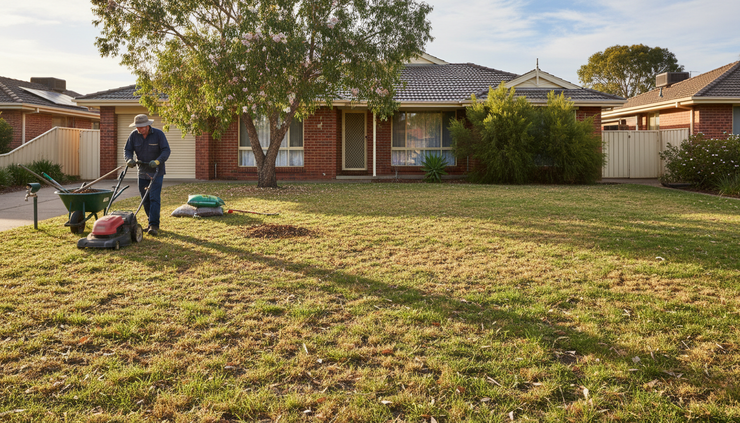
Thin grass or bare soil patches mean your lawn is struggling to fill in properly. This can happen due to:
Soil compaction preventing root growth
Heavy foot traffic wearing down grass
Poor soil quality lacking nutrients
Shade from trees blocking sunlight
To fix thin areas, aerate the soil to improve air and water flow. Overseed with grass seed suited to your climate and soil type. Adding a layer of compost or fertilizer can boost soil health and encourage thick growth. Protect these spots from foot traffic until the grass establishes.
Excessive Weeds
Weeds compete with grass for nutrients, water, and sunlight. A lawn overrun with weeds is a clear sign it is unhealthy. Common weeds include dandelions, clover, crabgrass, and chickweed. Excessive weeds can result from:
Weak grass unable to compete
Poor mowing practices leaving grass too long or too short
Overwatering or underwatering
Lack of proper fertilization
Regular mowing at the right height and applying selective herbicides can control weeds. Improving lawn health by fertilizing and watering correctly helps grass outcompete weeds naturally.
Poor Drainage
If water pools on your lawn after rain or irrigation, poor drainage may be the cause. Standing water can suffocate grass roots and promote fungal diseases. Signs of poor drainage include:
Muddy or soggy spots
Moss growth in shaded, wet areas
Yellowing grass in low spots
Improving drainage might involve aerating the soil, adding organic matter, or regrading the lawn to redirect water flow. Installing drainage solutions like French drains or dry wells can help in severe cases. Avoid overwatering to reduce excess moisture.
Slow or Uneven Growth
Healthy grass grows steadily and evenly. If your lawn shows slow growth or patchy development, it may lack nutrients or suffer from underlying problems. Causes include:
Nutrient deficiencies, especially nitrogen
Soil pH imbalance
Pest or disease damage
Inconsistent watering or mowing
A soil test can identify nutrient gaps or pH issues. Applying a balanced fertilizer tailored to your lawn’s needs encourages uniform growth. Maintain a consistent watering and mowing routine to support healthy development.
Taking action at the first sign of trouble can save you money and keep your lawn looking its best. Regular maintenance, including watering, mowing, fertilizing, and pest control, is key to preventing these issues.
If your lawn shows any of these warning signs and you need expert help, contact professionals who can diagnose and treat the problem effectively. A well-cared-for lawn not only enhances your home’s appearance but also increases its value.


Comments